









The 2026 Guide to Mastering Your Credit Card Billing Cycle: A Strategic Plan for Newcomers
Understanding your credit card billing cycle is the single most important step to avoid debt and build a strong U.S. credit score. This 2026 guide breaks down the statement cycle, grace periods, and interest calculations with practical examples for newcomers, while highlighting key differences from systems like Canada's to help you make smarter financial decisions from day one.

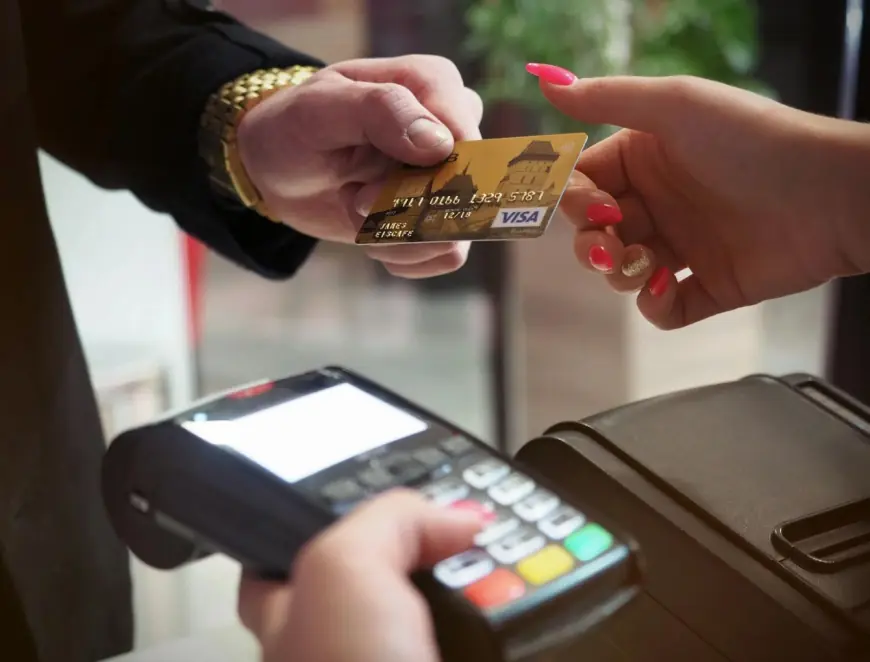
The 2026 Guide to Mastering Your Credit Card Billing Cycle
Imagine this: you land your first job in the United States, get approved for a credit card, and start using it for groceries, gas, and online subscriptions. A month later, you pay the "total balance" shown on your app, feeling responsible. Yet, six months down the line, you're shocked to see a $75 finance charge on your statement and a credit score that hasn't budged. What went wrong? You misunderstood the credit card billing cycle.
For newcomers building a financial life in America, this invisible calendar dictates everything—from your interest-free days to your reported credit utilization. Misunderstanding it is the most common and costly early mistake. This guide isn't just an explanation; it's your 2026 strategic plan to harness the billing cycle, avoid punitive credit card interest rates, and accelerate your journey to financial credibility.
What Is a Credit Card Billing Cycle? Your Financial Calendar
Your credit card billing cycle, also called your statement cycle, is the period between two consecutive credit card statements. It's typically about 28 to 31 days long, but it's not aligned with the calendar month. Think of it as your card's private monthly accounting period.
- Cycle Start/End Dates: Your cycle might run from the 5th of one month to the 4th of the next. All transactions within this window are grouped into a single statement.
- Statement Date: This is the cycle's end date. On this day, your issuer generates your statement, detailing your balance, minimum payment due, and due date.
- Due Date: Usually 21-25 days after the statement date. This is your payment deadline.
The magic—and danger—lies in the gap between the statement date and the due date. This is your grace period.
The Grace Period: Your Interest-Free Loan (If You Play It Right)
The grace period is a core feature of the U.S. system. If you pay your statement balance in full by the due date, you are charged 0% interest on those purchases. You've essentially received a short-term, interest-free loan.
Example for a Newcomer:
- Your billing cycle: March 5 – April 4.
- You buy a $300 suit for interviews on March 10.
- Statement Date: April 4. Your statement is generated with a $300 "New Balance."
- Due Date: April 28.
- Action: You pay the full $300 by April 28.
- Result: You pay no interest. The $300 cost you exactly $300.
Fail to pay that full statement balance by the due date, and the lender's generosity vanishes. You'll lose the grace period for current and future purchases, and interest accrues daily from each purchase's original date. This leads us to the critical cost.
How Your Credit Card Interest Rate is Calculated: The Daily Cost of Debt
The advertised credit card interest rate is an Annual Percentage Rate (APR). But interest is calculated daily. Here’s the math every cardholder must understand:
- Find your Daily Periodic Rate (DPR): Divide your APR by 365.
- Example: 24% APR / 365 = 0.06575% daily rate.
- Calculate Daily Interest: Multiply your daily balance by the DPR.
- Interest Compounds: Each day's interest is added to the principal, and the next day you pay interest on that new, slightly larger amount.
The High-Cost Scenario:
Using the above cycle, let's say you only paid the $35 minimum payment by April 28. You now carry a $265 balance forward.
- Daily interest on $265 at 24% APR = about $0.17.
- Over a 30-day cycle, that's ~$5.10 in interest added to your debt for just one month on that one purchase.
- More critically, you've lost your grace period. New purchases from April 5 onward start accruing interest immediately.
This is how manageable debt becomes a persistent burden. For someone on a starter salary, these fees directly impact your ability to save.
The Billing Cycle's Direct Impact on Your Credit Score
Your actions within the billing cycle don't just affect your wallet; they shape your credit report. Issuers report your account information to credit bureaus (Equifax, Experian, TransUnion) once per month, usually on your statement date.
Key Factor: Credit Utilization (30% of your FICO Score)
This is the ratio of your reported balance to your credit limit. If your statement on April 4 shows a $900 balance on a $1,000 limit, your utilization is a damaging 90%. Even if you pay it in full on April 28, the bureaus saw 90%.
Pro-Tip for 2026: To optimize your score, aim for a "statement balance" below 30% of your limit, and ideally below 10%. You can make a payment before your statement closes to lower the reported balance, while still paying the remainder in full by the due date to avoid interest.
Common Billing Cycle Mistakes (And How to Avoid Them)
- Paying on the Due Date, Not the Statement Date: Confusing these two dates is fatal. The due date is for payment; the statement date is when your financial snapshot is taken.
- Only Paying the Minimum Due: This keeps your account in good standing but triggers high interest and long-term debt.
- Making a Large Purchase Right After Your Statement Date: This gives you the shortest possible time to come up with funds before the payment is due. For a large, planned expense, time it for just after your statement date to maximize your interest-free period.
- Ignoring the Loss of Grace Period: Once you carry a balance, assume all new purchases cost more immediately. Switch to using a debit card or cash until you've restored your grace period by paying two full statement balances in a row.
USA vs. Canada: A Key Difference for Newcomers
If you're arriving from Canada, note this crucial distinction: Grace Period Clarity.
- In Canada: The grace period is a legal requirement under the Cost of Borrowing regulations. It's a minimum of 21 days between your statement date and your payment due date, and it must be clearly disclosed.
- In the U.S.: The grace period is not a universal legal mandate. It's a standard industry practice for cards that are paid in full, but its terms are defined in your cardholder agreement. If you revolve a balance, you likely won't have one. Vigilance is higher: You must read your agreement and never assume the rules are the same.
Furthermore, U.S. credit scoring models (FICO/VantageScore) can be more sensitive to high utilization and new credit inquiries than Canada's leading model (Beacon score). Managing your billing cycle to report low balances is even more critical here.
Actionable Steps for 2026: Take Control Today
- Locate Your Dates: Log into your account and find your Statement Closing Date and Payment Due Date. Mark them in your calendar.
- Set Up Automatic Payments: At minimum, automate the minimum payment to avoid late fees and credit damage. Ideally, automate a fixed amount that covers your expected spending to ensure the statement balance is paid.
- Practice Credit Utilization Management: For your primary card, aim to have a low balance reported. Make an extra payment a few days before your statement date if you've had high spending.
- Use Alerts: Set up text/email alerts for when your statement is available and when your payment is due.
- Plan Large Purchases: Schedule big-ticket items for the day after your statement closes to give yourself the longest possible interest-free period to pay.
Frequently Asked Questions (FAQ)
Q1: If I pay my balance in full every month, do I need to worry about the interest rate?
A: Less urgently, but yes. A high APR is a safety net's cost. If you ever have a financial emergency and must carry a balance, a lower APR will save you money. It's also a factor in your approval for better cards in the future.
Q2: Can my billing cycle dates change?
A: Yes, issuers can change them, often to accommodate weekends or at your request. They must provide advance notice (typically a billing cycle). You can also call and ask to align your due date with your pay schedule.
Q3: Does making multiple payments during the cycle hurt my credit?
A: No, it can help. It keeps your balance low, reduces interest if you're carrying debt, and can lead to a lower utilization rate being reported. There's no downside to paying more frequently.
Q4: I paid my statement balance, but I still have a "current balance." Why?
A: Your "current balance" includes all charges up to today, including new purchases made after your last statement closed. You are only required to pay the "statement balance" by the due date to avoid interest. The rest will appear on your next statement.
Conclusion: Your Cycle, Your Control
In the U.S. credit system, knowledge isn't just power—it's savings, a stronger credit score, and financial stability. The credit card billing cycle is the fundamental rhythm of this system. By mastering its timeline—the statement date, the due date, and the grace period—you transform your credit card from a potential debt trap into a powerful tool for building credibility.
For 2026, your goal is clear: use the cycle to your advantage. Pay in full, manage your reported utilization, and understand that every financial action is timed. Start this month by reviewing your latest statement, not just for the amount due, but for the dates that define your financial opportunities. Your future creditworthiness depends on it.