









Charge Cards vs Credit Cards in 2026: The Ultimate Decision Guide for Newcomers to the USA
Navigating the U.S. credit system is a critical first step for financial stability. This 2026 guide demystifies the crucial choice between charge cards and credit cards, explaining how each impacts your credit score, spending power, and financial future as a newcomer. Learn the key differences, strategic uses, and common pitfalls to build a strong financial foundation in America.

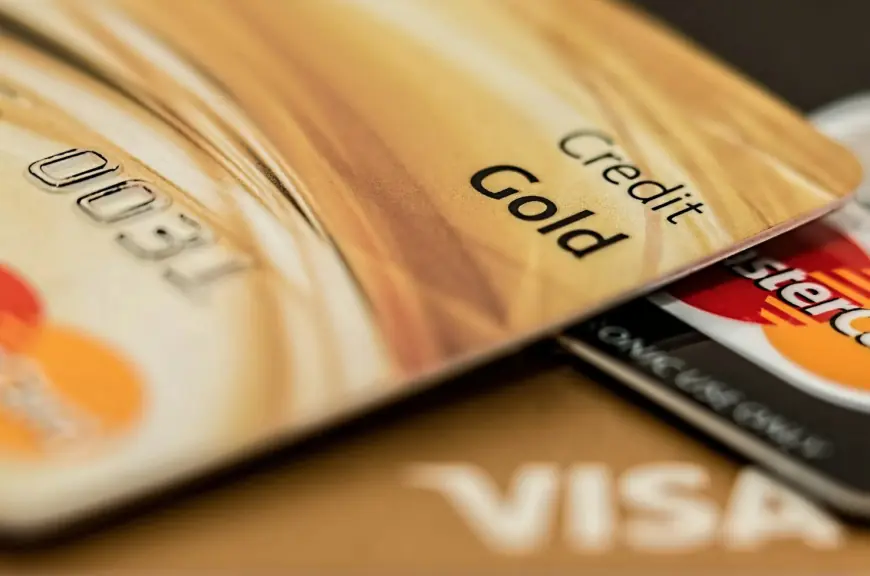
Charge Cards vs Credit Cards in 2026: The Ultimate Decision Guide for Newcomers to the USA
Imagine landing your dream job in the United States, only to find your application for a simple apartment or car loan denied. The reason? A thin or non-existent U.S. credit file. For migrants, international students, and job seekers, building credit isn't just about spending—it's about building credibility. At the heart of this journey is a fundamental choice: should you use a charge card or a credit card? This isn't a trivial distinction. In the American financial ecosystem, understanding the differences between charge cards and credit cards can mean the difference between rapid credit building and costly financial missteps. As we look ahead to 2026, with evolving lending standards and digital finance, making the right choice is more strategic than ever.
What Are Credit Cards and Charge Cards? The Core Difference
Let's start with the essential charge cards vs credit cards breakdown. A credit card provides a revolving line of credit. You're given a credit limit, and you can carry a balance from month to month while paying interest on the unpaid amount. It's a loan. A charge card, on the other hand, has no pre-set spending limit (though there is a dynamic spending power based on your history, income, and usage) but requires you to pay the entire balance in full every month. No exceptions, no minimum payments, no carrying a balance.
Think of it this way: a credit card is like a flexible utility you can manage, while a charge card is a strict financial discipline tool. For newcomers, this distinction is critical because your usage directly impacts your credit score and financial habits.
The Strategic Merits and Drawbacks for Building Credit
Credit Cards: The Building Blocks
Credit cards are the most accessible and common tool for establishing U.S. credit history.
Merits:
- Credit Building: Responsible use (low utilization, on-time payments) is reported to all three major U.S. credit bureaus (Experian, Equifax, TransUnion), systematically building your score.
- Flexibility: In a financial pinch, you have the option to carry a balance (though this should be avoided due to high interest rates).
- Accessibility: Many cards are designed for those with no or limited credit history, including secured credit cards where you provide a cash deposit as collateral.
- Rewards & Benefits: From cash back to travel points, benefits are widely available.
Drawbacks:
- Debt Risk: The flexibility to carry a balance can lead to high-interest debt if not managed carefully.
- Interest Rates (APR): Can be exceptionally high, especially for cards issued to those with new credit.
- Fees: Can include annual fees, foreign transaction fees, and late payment fees.
Charge Cards: The Discipline Play
Charge cards, most famously offered by American Express (like the Gold or Platinum cards), serve a different purpose.
Merits:
- Forces Financial Discipline: The mandatory full payment prevents debt accumulation from revolving balances.
- High Perceived Creditworthiness: Holding a charge card can signal to lenders that you manage large expenses responsibly.
- Premium Benefits: Often come with exceptional travel credits, lounge access, and concierge services, competing directly with premium credit cards.
- No Pre-Set Limit: Allows for large necessary purchases (e.g., relocating, buying furniture) without hurting your credit utilization ratio in the same way, as it's not reported as a traditional limit.
Drawbacks:
- Less Common & Harder to Get: Requires a good to excellent credit score and solid income, making them difficult for newcomers to obtain initially.
- Annual Fees: Are typically very high (often $250-$695+).
- No Payment Flexibility: Missing a full payment can result in severe penalties, a suspended card, and damage to your relationship with the issuer and credit score.
- Limited Acceptance: While much improved, not all merchants accept charge cards, particularly outside major urban centers.
Approval Criteria: What You Need to Know for 2026
As underwriting becomes more sophisticated, understanding approval criteria is key.
- For a First U.S. Credit Card: Issuers will scrutinize your income, visa status, and may require an Individual Taxpayer Identification Number (ITIN) or Social Security Number (SSN). They will often check your international credit history if you use programs like Nova Credit, but your primary path will be through secured cards or student cards.
- For a Charge Card or Premium Credit Card: You will need an established U.S. credit history (typically 1+ years), a good to excellent score (670+), and provable, stable income. The issuer needs confidence you can pay the entire bill monthly.
Pro Tip for Newcomers: Start with a secured credit card from a major bank (e.g., Discover it® Secured, Capital One Secured). Use it for small, recurring bills, pay it off in full every month, and within 6-12 months, you’ll likely graduate to an unsecured card and get your deposit back.
Common Mistakes Newcomers Make (And How to Avoid Them)
- Applying for the Wrong Card First: Applying for a premium credit card or charge card without history leads to a hard inquiry and denial, hurting your nascent score. Start with foundational products.
- High Credit Utilization: Maxing out your card, even if you pay it off, can tank your score. Keep usage below 30% of your limit, and ideally below 10%, when your statement is generated.
- Treating a Credit Card Like Free Cash: This leads to debt. Use it as a tool for convenience and credit building, not to finance a lifestyle beyond your income.
- Ignoring the Charge Card Rule: Attempting to carry a balance on a charge card will result in failed payments, hefty fees, and potential account closure.
- Neglecting to Build Credit Early: Don't wait until you need a loan to build credit. Start the process within your first few months in the country.
A Crucial Note: USA vs. Canada Credit Differences
If you're arriving from Canada, be aware of key differences:
- Credit Scoring Models: The U.S. uses FICO and VantageScore, with scores ranging from 300-850. Canada uses different models (like Beacon) with ranges from 300-900. Your Canadian score does not transfer, but some lenders may consider your Canadian credit history through specialized services.
- Credit Utilization: This is a major factor in U.S. scores (30% of your FICO score) but is less impactful in Canadian models. The U.S. system punishes high utilization more acutely.
- Charge Card Prevalence: Charge cards are a more distinct and prominent product category in the U.S. financial landscape than in Canada.
- Reporting: In the U.S., authorized user status on someone else's card can help your score, a useful strategy for newcomers with a trusted partner who has strong credit.
Strategic Path for 2026: Which Card is Right for You?
- You are a newcomer with no U.S. credit history: Start with a secured credit card. This is your non-negotiable first step.
- You have 6-12 months of good credit history and stable income: Consider a no-annual-fee rewards credit card to build further and earn benefits.
- You have 1-2+ years of excellent credit history, high income, and travel frequently: Evaluate a premium credit card or a charge card. Calculate if the annual fee is justified by the benefits (e.g., airline fee credits, lounge access) you will actually use. For disciplined spenders who can pay in full, the high rewards of these products can be worthwhile.
Frequently Asked Questions (FAQ)
1. Can I get a charge card as my first card in the USA?
Almost certainly not. Charge card issuers require a demonstrated history of responsible credit use in the U.S. Focus first on building a foundation with a basic or secured credit card.
2. Which is better for my credit score: a charge card or credit card?
Both report on-time payments, which is the most important factor. A credit card directly influences your credit utilization ratio, a key scoring factor. A charge card's lack of a pre-set limit means utilization isn't calculated in the same way, which can be an advantage. However, the best card for your score is the one you use responsibly.
3. Are the rewards on premium charge cards better than on premium credit cards?
They are competitive. In 2026, the line is blurred. The decision is less about rewards and more about your payment style: if you always pay in full, a charge card is an option. If you ever need flexibility, a premium credit card is the safer choice.
4. Do I need both types of cards?
Not necessarily. Many people thrive with just credit cards. Having a charge card is a strategic choice for high-income, high-spending individuals who value its specific benefits and can leverage its discipline. For most newcomers, a portfolio of one or two well-chosen credit cards is sufficient for years.
Conclusion: Your 2026 Action Plan
The charge cards vs credit cards debate boils down to your financial profile and discipline. For newcomers in 2026, the path is clear: Begin with the basics. Your immediate goal is to establish a positive U.S. credit history. Obtain a secured or starter credit card, use it minimally, and pay the statement balance in full every single month. Automate this payment. After 12-18 months of impeccable history, you will have options. Then, and only then, should you consider whether the elite benefits of a premium credit card or the disciplined structure of a charge card align with your financial growth and spending patterns. Remember, in the American system, credit is a tool for building opportunity. Choose your tools wisely, use them with precision, and you'll build not just a score, but a foundation for long-term success.